A Journal for Those Stuck at Home
Human Spirit
Stories that Illuminate and Elevate the Art of Living
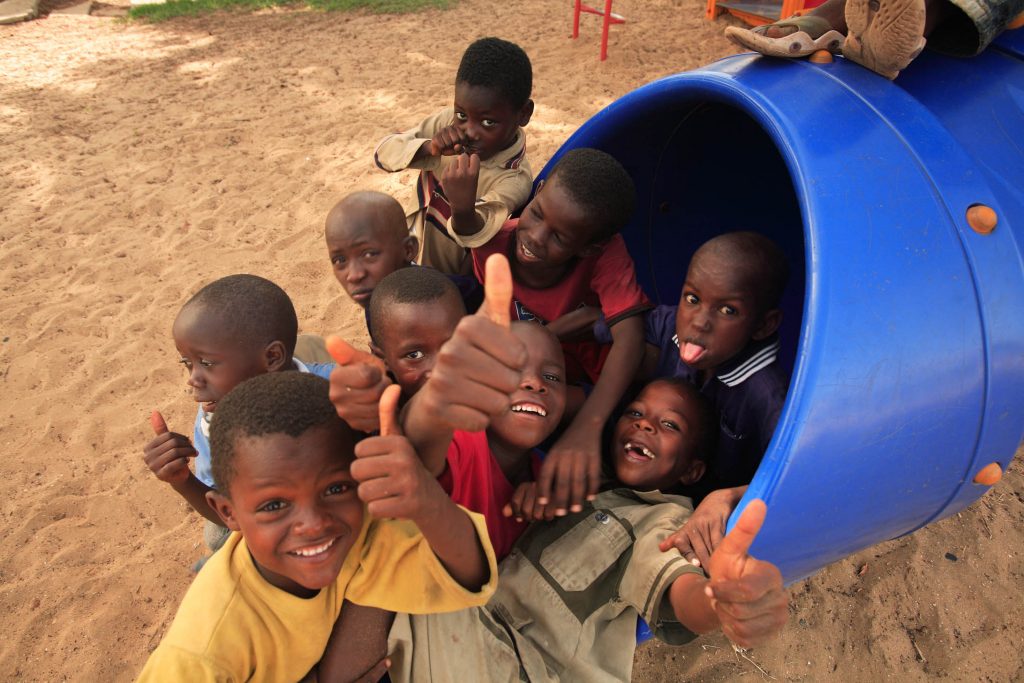
This website is dedicated to presenting positive stories about the undying human spirit, which overcomes adversity and nurtures a more positive and creative approach to living. We believe these stories should be celebrated as a way of illuminating the power of hope and imagination within all of us.
On December 18, 2020, Human Spirit celebrated its 17th year online. In the coming months, we hope to bring more stories that inspire the best in all of us.
We encourage you to submit stories and/or links to be posted. Contact: robert@cloudgazer.com.
The Art of Living
06/10/22 Loss and Reclamation: Rebuilding 1980s-Era BMX Bikes. An interview with Toronto’s Cash Lim By Robert Brodey
25/02/21 Environment Matters: Iran, The Return of a Once-Dying Lake. By
Peter Schwartzstein, BBC.
23/02/21 How a ‘Beginners’ Mindset’ Can Help You Learn Anything. By David Robson, BBC.
02/10/21 How the Nordic ‘friluftsliv’ lifestyle can fight wintertime and pandemic blues. By Ada Wood, CNN.
02/07/21 Carlos Soria: The 81-year-old Tackling the World’s Highest Peaks. By Guy Hedgecoe, BBC.
02/06/21 San Francisco Giants Outfielder Drew Robinson’s Remarkable Second Act (content warning: includes suicide attempt). By Jeff Passan, ESPN.
01/18/21 An Antidote for Environmental Despair. When it comes to conservation, hope is much more useful than gloom. By Elin Kelsey.
01/10/21 Woman believed to be last remaining widow of US civil war soldier dies. The Guardian.
12/27/20 With Each Run, a City Shaken by Racism Is ‘Finding the Greater Good’. By Anna Katherine Clemmons. New York Times.
12/15/20 US Soldier Reunites with Italian Children He Almost Accidently Shot During World War II. The Guardian.
02/09/19 Refugee detained on Manus Island wins $95K literary prize for Book Written on WhatsApp. CBC Radio.
12/27/17 Video: Traversing the Island of Gran Canaria on Foot. By Robert Brodey.
05/01/17 To Be a Genius, Think Like a 94-Year Old. By Pagan Kennedy, The New York Times.
04/28/17 (It’s Great to) Suck at Something. By Karen Rinaldi, New York Times.
04/28/17 13 Reasons Why Original Art in the Home is as Important as a Bed. Sight66.
02/09/17 Think Less. Think Better. By Moshe Bar, The New York Times.
02/09/17 A Tribute to Discomfort: Following Photographer/Adventurer Richard Cory. Video by Blue Chalk.
01/25/17 My Idol Turned Out to be My Sister. By Vibeke Venema, BBC.
08/08/16 Bride Gets to Walk Down Aisle by the Man Her Father’s Heart Saved. The Star.
08/02/16 Alberta Mountain Guide Nearly Killed by Falling Boulder Determined to Walk and Climb Again. By Robson Fletcher, CBC News.
12/17/15 When in Doubt, Help! Link to The Marhaba Committee’s Webpage — Sponsoring the Settlement of a Syrian Family in Canada.
12/01/15 The Norwegian Secret to Enjoying a Long Winter. By Laura Vanderkam, Fast Company.
11/06/15 From Teenage Guerrilla in Nepal to Top Trail Runner. By Chris Haslam, BBC.
08/13/15 A cafe in the Philippines Gives Disabled People Opportunity. By Aurora Almedral, BBC.
08/11/15 Photographer Documenting the Homeless Discovers Her Own Father Among Them. By Jenny Zhang, My Modern Met.
07/05/15 The Tragedy Giving Hope to Syria’s Women. By Krista Lang, BBC.
05/06/15 ‘Hermit of the Jungle’ Guards a Brazilian Ghost City Rich in History. Simon Romero, New York Times.
05/23/15 Homecoming: Cuban Villagers Learn They Descended From Sierra Leone Slaves. By Emma Christopher, The Atlantic.
05/22/15 The Last Jews of Kolkata, India. Aljazeera.
02/20/15 Human Spirit Creator Publishes First Novel, Josef’s Lair (website).
02/13/15 Barefoot Running in Bolivia. By Robert J. Brodey, Outpost Magazine.
04/04/14 ‘The Pied Piper for Sustainable Transportation’ and His Radical Idea: Put People First. By Christine McLaren, The Globe and Mail.
01/02/14 A Message to Young People. By Wade Davis.
01/31/14 Photographer Puts Strangers Together – Magic Happens.
01/23/14 This Photographer Will Do Anything It Takes For A Great Shot.
01/22/14 The Importance of Parents Doing Creative Projects. By Robert J. Brodey, Vicarious-Traveller.
02/01/14 Fisherman Survives the Open Atlantic – Using Brains and Tenacity. By Paul Tough, The New York Times Magazine.
07/19/13 David Bowie Discusses the Birth of Ziggy Stardust. Open Culture.
03/20/13 Becoming the All-Terrain Human – Kilian Jornet. By Christopher Solomon, The New York Times.
03/19/13 Sonali Deraniyagala’s Tsunami Memoir: One of the Saddest Stories a Human Being Could Ever Tell. By John Barber, The Globe and Mail.
05/04/13 Tapping Locals as Expert Tour Guides. By Allie Walker, PSFK.
04/03/13 Richard St. John on the 8 Secrets of Success. Ted Talks Video.
04/03/13 Nigel Marsh: How to Make Work-Life Balance Work. Ted Talks Video.
02/22/13 Toronto’s Unicycle Guy on a Mission of Freedom and Joy. By Alyshah Hasham. Toronto Star.
02/15/13 Janine Shepherd: A Broken Body Isn’t a Broken Person. Ted Talks. Video.
12/02/13 Around the World in 1,026 Days. By Nick Neil, Outside Magazine.
01/14/13 Training Insights From Star Athletes.The New York Times.
03/01/13 George Saunders Has Written the Best Book You’ll Read This Year. By Joel Lovell, The New York Times.
12/22/12 Toronto Nurse Kirsty Robertson Cared for Hundreds in Syria. By Olivia Ward, Toronto Star.
12/20/12 “Before I Die I Want to…” Video of Candy Chang.Ted Talks.
03/12/12 Why the First Time for Everything Still Matters. By Robert Brodey, www.vicarious-traveller.com.
11/27/12 It Begins with an Obsession. By Robert Brodey, www.vicarious.traveller.com.
05/11/12 An Image Can Change Your Destiny. By Mark Toohey, www.accelawrate.com.
10/28/12 Let’s Talk Parenting Taboos. Great video on some myths of parenting. By Rufus Griscom and Alisa Volkman, Ted Talks.
09/20/12 Do Like Steve Jobs Did: Don’t Follow Your Passion. By Cal Newport, Fast Company.
09/18/12 The Perfect Human – 12 Secrets of an Ultra-Runner’s Success. By Joshua Davis, Wired.
24/08/12 A North Korean Love Story in Toronto: Defectors to Marry in Group Ceremony. By Amy Dempsey, Toronto Star.
01/08/12 30 Indispensable Writing Tips from Famous Authors. by Jack Shepherd, Buzzfeed.com.
05/06/12 Shawn Achor: The Happy Secret to Better Work. TED (Video).
12/05/12 Rethinking the Food Bank: It’s No Longer Just About Handing Out Food to the Hungry. By Laurie Monseraaten, Toronto Star.
09/05/12 15 Things You Should Give Up to be Happy. Sikhnet.
08/05/12 Paralyzed Woman Completes London Marathon Wearing Bionic Suit. By Emily Jackson, Toronto Star.
04/13/12 Lost Little Boy Finds his Mother Decades Later Using Google Earth. By Robin Banerji, BBC World Service.
12/04/12 Deaf Rapper Feels the Music and Sings by Signing. By Vinay Menon, Toronto Star.
04/04/12 Death of a Legendary Barefoot Runner. By Christopher McDougall, BBC World Service.
02/19/12 Frank Gehry Interview: ‘Expression’ Still Vital to Architecture. By Rowan Moore, The Guardian.
02/16/12 Photos from a Ginormous Camera to Document America’s Vanishing Cultures. CBC.
01/25/12 Toronto Teens Send Lego Man on a Balloon Odyssey 24 Kilometres High. By Kate Allen, The Toronto Star.
06/01/12 Stunning Photographs From Around The World. At Pxleyes.com
12/12/11 A Colourful Uprising in Damascus. The Art of Creative Dissent. By Basma Atassi, Aljazeera.
11/12/11 Syria’s Actress-Turned-Revolutionary. Aljazeera.
25/11/11 Former Paralympian Makes Miraculous Recovery to Become Pro Cyclist. By Randy Starkman, The Toronto Star.
06/11/11 Mother Risks Life for Unborn Son. By Megan Ogilvie, The Toronto Star.
14/10/11 Toronto Start-Up Designs Solar-Powered Hybrid Aircraft. By Tyler Hamilton, The Toronto Star.
09/21/11 Allowing Teenage Boys to Love Their Friends. By Jan Hoffman, The New York Times.
09/20/11 5 Things Happy People Do. By Gabrielle LeBlanc, The Oprah Magazine.
08/28/11 ‘The Blade Runner’ Challenges at the World Championships. By Pat Graham, The Toronto Star.
07/30/11 Gift of Blood Ends Pakistani Town’s Bloody History. By Rick Westhead, The Toronto Star.
06/16/11 Want to Have a Great Death? Have a Great Life. By Valerie Hauch, The Toronto Star.
05/27/11 Shannen’s Dream Website. Shannen Koostachin, an aborginal youth from Attawapiskat, led a movement to build a new school in her home community and called for equality in education across Canada. Koostachin was tragically killed in a motor vehicle collision in June 2010, before her dream was realized.
04/28/11 SlutWalk marches expand to the U.S. and England. By Jenni Dunning, The Toronto Star.
04/14/11 Under South Africa’s Skin: Contemporary Photography. Audio Slideshow.
03/19/11 Libyan Citizen Journalist Killed. By Cynthia Vukets, The Toronto Star.
10/03/11 Hours After Soldier Killed in Action, His Faithful Dog Suffers Seizure. By Jill Lawless, The Toronto Star.
06/03/11 Honesty and Humility Best Predictors of Job Performance: Study. By Kenyon Wallace, The Toronto Star.
05/03/11 Che Guevara’s Motorcycle Diaries Companion Granado Dies. BBC.com
01/17/11 Charlie Rose Interview with Wes Moore — On his Book “The Other Wes Moore.”Two Men with the Same Name and Two Fates.
12/21/10 An Interview with WikiLeaks’ Julian Assange. By Andy Greenberg, Forbes.
12/20/10 An Inspirational Letter to My Students. By Roger Rosenblatt, The New Yorker.
09/12/10 A Facebook Story: A Mother’s Joy and a Family’s Sorrow. By Ian Shapira. The Washington Post.
11/29/10 The Courage of Jill Costello. By Chris Ballard. Sports Illustrated.
04/11/10 Couple Gives Away $11.2 Million in Lottery Winnings. The Toronto Star.
29/04/10 Local Boy with Cancer Turns into a Superhero for a Day. By Katherine Long, The Seattle Times.
28/04/10 Documentary Trailer: Journey of a Dream. A Heavy Metal Story of a Tibetan Refugee.
17/04/10 Almost Barefoot in Bolivia. By Robert J. Brodey. The Toronto Star.
01/29/10 Strange Pilgrimages in San Juan Argentina. By Robert J. Brodey, The Toronto Star.
01/12/09 Trail Blazing Olympic Sport for the Physically Disabled. By Daniel Girand, The Toronto Star.
26/09/09 From Motown to Hoetown. Transforming Detroit into an Agriculture Centre. By Catherine Porter, The Toronto Star.
09/10/09 Seeing the Beauty and Fragility of Earth from Outer Space. By Nelson Wyatt, CP.
08/07/09 Canadian Bike Rider, Svein Tuft, Races the Road less Traveled. By Juliet Macur, New York Times.
06/28/09 Iraqi Jew Aids Dispossessed Palestinians: “Right Thing to Do.” By Ethan Bronner, New York Times.
12/06/09 Meet Toronto’s Young Poet. By Daniel Day, The Toronto Star.
11/06/09 The Power of Patagonia. By Robert J. Brodey, The Toronto Star.
02/06/21 San Francisco Giants Outfielder Drew Robinson’s Remarkable Second Act (content warning: includes suicide attempt). By Jeff Passan, ESPN.
01/18/21 An Antidote for Environmental Despair. When it comes to conservation, hope is much more useful than gloom. By Elin Kelsey.
01/10/21 Woman believed to be last remaining widow of US civil war soldier dies. The Guardian.
12/27/20 With Each Run, a City Shaken by Racism Is ‘Finding the Greater Good’. By Anna Katherine Clemmons. New York Times.
12/15/20 US Soldier Reunites with Italian Children He Almost Accidently Shot During World War II. The Guardian.
02/09/19 Refugee detained on Manus Island wins $95K literary prize for Book Written on WhatsApp. CBC Radio.
12/27/17 Video: Traversing the Island of Gran Canaria on Foot. By Robert Brodey.
05/01/17 To Be a Genius, Think Like a 94-Year Old. By Pagan Kennedy, The New York Times.
04/28/17 (It’s Great to) Suck at Something. By Karen Rinaldi, New York Times.
04/28/17 13 Reasons Why Original Art in the Home is as Important as a Bed. Sight66.
02/09/17 Think Less. Think Better. By Moshe Bar, The New York Times.
02/09/17 A Tribute to Discomfort: Following Photographer/Adventurer Richard Cory. Video by Blue Chalk.
01/25/17 My Idol Turned Out to be My Sister. By Vibeke Venema, BBC.
08/08/16 Bride Gets to Walk Down Aisle by the Man Her Father’s Heart Saved. The Star.
08/02/16 Alberta Mountain Guide Nearly Killed by Falling Boulder Determined to Walk and Climb Again. By Robson Fletcher, CBC News.
12/17/15 When in Doubt, Help! Link to The Marhaba Committee’s Webpage — Sponsoring the Settlement of a Syrian Family in Canada.
12/01/15 The Norwegian Secret to Enjoying a Long Winter. By Laura Vanderkam, Fast Company.
11/06/15 From Teenage Guerrilla in Nepal to Top Trail Runner. By Chris Haslam, BBC.
08/13/15 A cafe in the Philippines Gives Disabled People Opportunity. By Aurora Almedral, BBC.
08/11/15 Photographer Documenting the Homeless Discovers Her Own Father Among Them. By Jenny Zhang, My Modern Met.
07/05/15 The Tragedy Giving Hope to Syria’s Women. By Krista Lang, BBC.
05/06/15 ‘Hermit of the Jungle’ Guards a Brazilian Ghost City Rich in History. Simon Romero, New York Times.
05/23/15 Homecoming: Cuban Villagers Learn They Descended From Sierra Leone Slaves. By Emma Christopher, The Atlantic.
05/22/15 The Last Jews of Kolkata, India. Aljazeera.
02/20/15 Human Spirit Creator Publishes First Novel, Josef’s Lair (website).
02/13/15 Barefoot Running in Bolivia. By Robert J. Brodey, Outpost Magazine.
04/04/14 ‘The Pied Piper for Sustainable Transportation’ and His Radical Idea: Put People First. By Christine McLaren, The Globe and Mail.
01/02/14 A Message to Young People. By Wade Davis.
01/31/14 Photographer Puts Strangers Together – Magic Happens.
01/23/14 This Photographer Will Do Anything It Takes For A Great Shot.
01/22/14 The Importance of Parents Doing Creative Projects. By Robert J. Brodey, Vicarious-Traveller.
02/01/14 Fisherman Survives the Open Atlantic – Using Brains and Tenacity. By Paul Tough, The New York Times Magazine.
07/19/13 David Bowie Discusses the Birth of Ziggy Stardust. Open Culture.
03/20/13 Becoming the All-Terrain Human – Kilian Jornet. By Christopher Solomon, The New York Times.
03/19/13 Sonali Deraniyagala’s Tsunami Memoir: One of the Saddest Stories a Human Being Could Ever Tell. By John Barber, The Globe and Mail.
05/04/13 Tapping Locals as Expert Tour Guides. By Allie Walker, PSFK.
04/03/13 Richard St. John on the 8 Secrets of Success. Ted Talks Video.
04/03/13 Nigel Marsh: How to Make Work-Life Balance Work. Ted Talks Video.
02/22/13 Toronto’s Unicycle Guy on a Mission of Freedom and Joy. By Alyshah Hasham. Toronto Star.
02/15/13 Janine Shepherd: A Broken Body Isn’t a Broken Person. Ted Talks. Video.
12/02/13 Around the World in 1,026 Days. By Nick Neil, Outside Magazine.
01/14/13 Training Insights From Star Athletes.The New York Times.
03/01/13 George Saunders Has Written the Best Book You’ll Read This Year. By Joel Lovell, The New York Times.
12/22/12 Toronto Nurse Kirsty Robertson Cared for Hundreds in Syria. By Olivia Ward, Toronto Star.
12/20/12 “Before I Die I Want to…” Video of Candy Chang.Ted Talks.
03/12/12 Why the First Time for Everything Still Matters. By Robert Brodey, www.vicarious-traveller.com.
11/27/12 It Begins with an Obsession. By Robert Brodey, www.vicarious.traveller.com.
05/11/12 An Image Can Change Your Destiny. By Mark Toohey, www.accelawrate.com.
10/28/12 Let’s Talk Parenting Taboos. Great video on some myths of parenting. By Rufus Griscom and Alisa Volkman, Ted Talks.
09/20/12 Do Like Steve Jobs Did: Don’t Follow Your Passion. By Cal Newport, Fast Company.
09/18/12 The Perfect Human – 12 Secrets of an Ultra-Runner’s Success. By Joshua Davis, Wired.
24/08/12 A North Korean Love Story in Toronto: Defectors to Marry in Group Ceremony. By Amy Dempsey, Toronto Star.
01/08/12 30 Indispensable Writing Tips from Famous Authors. by Jack Shepherd, Buzzfeed.com.
05/06/12 Shawn Achor: The Happy Secret to Better Work. TED (Video).
12/05/12 Rethinking the Food Bank: It’s No Longer Just About Handing Out Food to the Hungry. By Laurie Monseraaten, Toronto Star.
09/05/12 15 Things You Should Give Up to be Happy. Sikhnet.
08/05/12 Paralyzed Woman Completes London Marathon Wearing Bionic Suit. By Emily Jackson, Toronto Star.
04/13/12 Lost Little Boy Finds his Mother Decades Later Using Google Earth. By Robin Banerji, BBC World Service.
12/04/12 Deaf Rapper Feels the Music and Sings by Signing. By Vinay Menon, Toronto Star.
04/04/12 Death of a Legendary Barefoot Runner. By Christopher McDougall, BBC World Service.
02/19/12 Frank Gehry Interview: ‘Expression’ Still Vital to Architecture. By Rowan Moore, The Guardian.
02/16/12 Photos from a Ginormous Camera to Document America’s Vanishing Cultures. CBC.
01/25/12 Toronto Teens Send Lego Man on a Balloon Odyssey 24 Kilometres High. By Kate Allen, The Toronto Star.
06/01/12 Stunning Photographs From Around The World. At Pxleyes.com
12/12/11 A Colourful Uprising in Damascus. The Art of Creative Dissent. By Basma Atassi, Aljazeera.
11/12/11 Syria’s Actress-Turned-Revolutionary. Aljazeera.
25/11/11 Former Paralympian Makes Miraculous Recovery to Become Pro Cyclist. By Randy Starkman, The Toronto Star.
06/11/11 Mother Risks Life for Unborn Son. By Megan Ogilvie, The Toronto Star.
14/10/11 Toronto Start-Up Designs Solar-Powered Hybrid Aircraft. By Tyler Hamilton, The Toronto Star.
09/21/11 Allowing Teenage Boys to Love Their Friends. By Jan Hoffman, The New York Times.
09/20/11 5 Things Happy People Do. By Gabrielle LeBlanc, The Oprah Magazine.
08/28/11 ‘The Blade Runner’ Challenges at the World Championships. By Pat Graham, The Toronto Star.
07/30/11 Gift of Blood Ends Pakistani Town’s Bloody History. By Rick Westhead, The Toronto Star.
06/16/11 Want to Have a Great Death? Have a Great Life. By Valerie Hauch, The Toronto Star.
05/27/11 Shannen’s Dream Website. Shannen Koostachin, an aborginal youth from Attawapiskat, led a movement to build a new school in her home community and called for equality in education across Canada. Koostachin was tragically killed in a motor vehicle collision in June 2010, before her dream was realized.
04/28/11 SlutWalk marches expand to the U.S. and England. By Jenni Dunning, The Toronto Star.
04/14/11 Under South Africa’s Skin: Contemporary Photography. Audio Slideshow.
03/19/11 Libyan Citizen Journalist Killed. By Cynthia Vukets, The Toronto Star.
10/03/11 Hours After Soldier Killed in Action, His Faithful Dog Suffers Seizure. By Jill Lawless, The Toronto Star.
06/03/11 Honesty and Humility Best Predictors of Job Performance: Study. By Kenyon Wallace, The Toronto Star.
05/03/11 Che Guevara’s Motorcycle Diaries Companion Granado Dies. BBC.com
01/17/11 Charlie Rose Interview with Wes Moore — On his Book “The Other Wes Moore.”Two Men with the Same Name and Two Fates.
12/21/10 An Interview with WikiLeaks’ Julian Assange. By Andy Greenberg, Forbes.
12/20/10 An Inspirational Letter to My Students. By Roger Rosenblatt, The New Yorker.
09/12/10 A Facebook Story: A Mother’s Joy and a Family’s Sorrow. By Ian Shapira. The Washington Post.
11/29/10 The Courage of Jill Costello. By Chris Ballard. Sports Illustrated.
04/11/10 Couple Gives Away $11.2 Million in Lottery Winnings. The Toronto Star.
29/04/10 Local Boy with Cancer Turns into a Superhero for a Day. By Katherine Long, The Seattle Times.
28/04/10 Documentary Trailer: Journey of a Dream. A Heavy Metal Story of a Tibetan Refugee.
17/04/10 Almost Barefoot in Bolivia. By Robert J. Brodey. The Toronto Star.
01/29/10 Strange Pilgrimages in San Juan Argentina. By Robert J. Brodey, The Toronto Star.
01/12/09 Trail Blazing Olympic Sport for the Physically Disabled. By Daniel Girand, The Toronto Star.
26/09/09 From Motown to Hoetown. Transforming Detroit into an Agriculture Centre. By Catherine Porter, The Toronto Star.
09/10/09 Seeing the Beauty and Fragility of Earth from Outer Space. By Nelson Wyatt, CP.
08/07/09 Canadian Bike Rider, Svein Tuft, Races the Road less Traveled. By Juliet Macur, New York Times.
06/28/09 Iraqi Jew Aids Dispossessed Palestinians: “Right Thing to Do.” By Ethan Bronner, New York Times.
12/06/09 Meet Toronto’s Young Poet. By Daniel Day, The Toronto Star.
11/06/09 The Power of Patagonia. By Robert J. Brodey, The Toronto Star.
12/15/20 US Soldier Reunites with Italian Children He Almost Accidently Shot During World War II. The Guardian.
02/09/19 Refugee detained on Manus Island wins $95K literary prize for Book Written on WhatsApp. CBC Radio.
12/27/17 Video: Traversing the Island of Gran Canaria on Foot. By Robert Brodey.
05/01/17 To Be a Genius, Think Like a 94-Year Old. By Pagan Kennedy, The New York Times.
04/28/17 (It’s Great to) Suck at Something. By Karen Rinaldi, New York Times.
04/28/17 13 Reasons Why Original Art in the Home is as Important as a Bed. Sight66.
02/09/17 Think Less. Think Better. By Moshe Bar, The New York Times.
02/09/17 A Tribute to Discomfort: Following Photographer/Adventurer Richard Cory. Video by Blue Chalk.
01/25/17 My Idol Turned Out to be My Sister. By Vibeke Venema, BBC.
08/08/16 Bride Gets to Walk Down Aisle by the Man Her Father’s Heart Saved. The Star.
08/02/16 Alberta Mountain Guide Nearly Killed by Falling Boulder Determined to Walk and Climb Again. By Robson Fletcher, CBC News.
12/17/15 When in Doubt, Help! Link to The Marhaba Committee’s Webpage — Sponsoring the Settlement of a Syrian Family in Canada.
12/01/15 The Norwegian Secret to Enjoying a Long Winter. By Laura Vanderkam, Fast Company.
11/06/15 From Teenage Guerrilla in Nepal to Top Trail Runner. By Chris Haslam, BBC.
08/13/15 A cafe in the Philippines Gives Disabled People Opportunity. By Aurora Almedral, BBC.
08/11/15 Photographer Documenting the Homeless Discovers Her Own Father Among Them. By Jenny Zhang, My Modern Met.
07/05/15 The Tragedy Giving Hope to Syria’s Women. By Krista Lang, BBC.
05/06/15 ‘Hermit of the Jungle’ Guards a Brazilian Ghost City Rich in History. Simon Romero, New York Times.
05/23/15 Homecoming: Cuban Villagers Learn They Descended From Sierra Leone Slaves. By Emma Christopher, The Atlantic.
05/22/15 The Last Jews of Kolkata, India. Aljazeera.
02/20/15 Human Spirit Creator Publishes First Novel, Josef’s Lair (website).
02/13/15 Barefoot Running in Bolivia. By Robert J. Brodey, Outpost Magazine.
04/04/14 ‘The Pied Piper for Sustainable Transportation’ and His Radical Idea: Put People First. By Christine McLaren, The Globe and Mail.
01/02/14 A Message to Young People. By Wade Davis.
01/31/14 Photographer Puts Strangers Together – Magic Happens.
01/23/14 This Photographer Will Do Anything It Takes For A Great Shot.
01/22/14 The Importance of Parents Doing Creative Projects. By Robert J. Brodey, Vicarious-Traveller.
02/01/14 Fisherman Survives the Open Atlantic – Using Brains and Tenacity. By Paul Tough, The New York Times Magazine.
07/19/13 David Bowie Discusses the Birth of Ziggy Stardust. Open Culture.
03/20/13 Becoming the All-Terrain Human – Kilian Jornet. By Christopher Solomon, The New York Times.
03/19/13 Sonali Deraniyagala’s Tsunami Memoir: One of the Saddest Stories a Human Being Could Ever Tell. By John Barber, The Globe and Mail.
05/04/13 Tapping Locals as Expert Tour Guides. By Allie Walker, PSFK.
04/03/13 Richard St. John on the 8 Secrets of Success. Ted Talks Video.
04/03/13 Nigel Marsh: How to Make Work-Life Balance Work. Ted Talks Video.
02/22/13 Toronto’s Unicycle Guy on a Mission of Freedom and Joy. By Alyshah Hasham. Toronto Star.
02/15/13 Janine Shepherd: A Broken Body Isn’t a Broken Person. Ted Talks. Video.
12/02/13 Around the World in 1,026 Days. By Nick Neil, Outside Magazine.
01/14/13 Training Insights From Star Athletes.The New York Times.
03/01/13 George Saunders Has Written the Best Book You’ll Read This Year. By Joel Lovell, The New York Times.
12/22/12 Toronto Nurse Kirsty Robertson Cared for Hundreds in Syria. By Olivia Ward, Toronto Star.
12/20/12 “Before I Die I Want to…” Video of Candy Chang.Ted Talks.
03/12/12 Why the First Time for Everything Still Matters. By Robert Brodey, www.vicarious-traveller.com.
11/27/12 It Begins with an Obsession. By Robert Brodey, www.vicarious.traveller.com.
05/11/12 An Image Can Change Your Destiny. By Mark Toohey, www.accelawrate.com.
10/28/12 Let’s Talk Parenting Taboos. Great video on some myths of parenting. By Rufus Griscom and Alisa Volkman, Ted Talks.
09/20/12 Do Like Steve Jobs Did: Don’t Follow Your Passion. By Cal Newport, Fast Company.
09/18/12 The Perfect Human – 12 Secrets of an Ultra-Runner’s Success. By Joshua Davis, Wired.
24/08/12 A North Korean Love Story in Toronto: Defectors to Marry in Group Ceremony. By Amy Dempsey, Toronto Star.
01/08/12 30 Indispensable Writing Tips from Famous Authors. by Jack Shepherd, Buzzfeed.com.
05/06/12 Shawn Achor: The Happy Secret to Better Work. TED (Video).
12/05/12 Rethinking the Food Bank: It’s No Longer Just About Handing Out Food to the Hungry. By Laurie Monseraaten, Toronto Star.
09/05/12 15 Things You Should Give Up to be Happy. Sikhnet.
08/05/12 Paralyzed Woman Completes London Marathon Wearing Bionic Suit. By Emily Jackson, Toronto Star.
04/13/12 Lost Little Boy Finds his Mother Decades Later Using Google Earth. By Robin Banerji, BBC World Service.
12/04/12 Deaf Rapper Feels the Music and Sings by Signing. By Vinay Menon, Toronto Star.
04/04/12 Death of a Legendary Barefoot Runner. By Christopher McDougall, BBC World Service.
02/19/12 Frank Gehry Interview: ‘Expression’ Still Vital to Architecture. By Rowan Moore, The Guardian.
02/16/12 Photos from a Ginormous Camera to Document America’s Vanishing Cultures. CBC.
01/25/12 Toronto Teens Send Lego Man on a Balloon Odyssey 24 Kilometres High. By Kate Allen, The Toronto Star.
06/01/12 Stunning Photographs From Around The World. At Pxleyes.com
12/12/11 A Colourful Uprising in Damascus. The Art of Creative Dissent. By Basma Atassi, Aljazeera.
11/12/11 Syria’s Actress-Turned-Revolutionary. Aljazeera.
25/11/11 Former Paralympian Makes Miraculous Recovery to Become Pro Cyclist. By Randy Starkman, The Toronto Star.
06/11/11 Mother Risks Life for Unborn Son. By Megan Ogilvie, The Toronto Star.
14/10/11 Toronto Start-Up Designs Solar-Powered Hybrid Aircraft. By Tyler Hamilton, The Toronto Star.
09/21/11 Allowing Teenage Boys to Love Their Friends. By Jan Hoffman, The New York Times.
09/20/11 5 Things Happy People Do. By Gabrielle LeBlanc, The Oprah Magazine.
08/28/11 ‘The Blade Runner’ Challenges at the World Championships. By Pat Graham, The Toronto Star.
07/30/11 Gift of Blood Ends Pakistani Town’s Bloody History. By Rick Westhead, The Toronto Star.
06/16/11 Want to Have a Great Death? Have a Great Life. By Valerie Hauch, The Toronto Star.
05/27/11 Shannen’s Dream Website. Shannen Koostachin, an aborginal youth from Attawapiskat, led a movement to build a new school in her home community and called for equality in education across Canada. Koostachin was tragically killed in a motor vehicle collision in June 2010, before her dream was realized.
04/28/11 SlutWalk marches expand to the U.S. and England. By Jenni Dunning, The Toronto Star.
04/14/11 Under South Africa’s Skin: Contemporary Photography. Audio Slideshow.
03/19/11 Libyan Citizen Journalist Killed. By Cynthia Vukets, The Toronto Star.
10/03/11 Hours After Soldier Killed in Action, His Faithful Dog Suffers Seizure. By Jill Lawless, The Toronto Star.
06/03/11 Honesty and Humility Best Predictors of Job Performance: Study. By Kenyon Wallace, The Toronto Star.
05/03/11 Che Guevara’s Motorcycle Diaries Companion Granado Dies. BBC.com
01/17/11 Charlie Rose Interview with Wes Moore — On his Book “The Other Wes Moore.”Two Men with the Same Name and Two Fates.
12/21/10 An Interview with WikiLeaks’ Julian Assange. By Andy Greenberg, Forbes.
12/20/10 An Inspirational Letter to My Students. By Roger Rosenblatt, The New Yorker.
09/12/10 A Facebook Story: A Mother’s Joy and a Family’s Sorrow. By Ian Shapira. The Washington Post.
11/29/10 The Courage of Jill Costello. By Chris Ballard. Sports Illustrated.
04/11/10 Couple Gives Away $11.2 Million in Lottery Winnings. The Toronto Star.
29/04/10 Local Boy with Cancer Turns into a Superhero for a Day. By Katherine Long, The Seattle Times.
28/04/10 Documentary Trailer: Journey of a Dream. A Heavy Metal Story of a Tibetan Refugee.
17/04/10 Almost Barefoot in Bolivia. By Robert J. Brodey. The Toronto Star.
01/29/10 Strange Pilgrimages in San Juan Argentina. By Robert J. Brodey, The Toronto Star.
01/12/09 Trail Blazing Olympic Sport for the Physically Disabled. By Daniel Girand, The Toronto Star.
26/09/09 From Motown to Hoetown. Transforming Detroit into an Agriculture Centre. By Catherine Porter, The Toronto Star.
09/10/09 Seeing the Beauty and Fragility of Earth from Outer Space. By Nelson Wyatt, CP.
08/07/09 Canadian Bike Rider, Svein Tuft, Races the Road less Traveled. By Juliet Macur, New York Times.
06/28/09 Iraqi Jew Aids Dispossessed Palestinians: “Right Thing to Do.” By Ethan Bronner, New York Times.
12/06/09 Meet Toronto’s Young Poet. By Daniel Day, The Toronto Star.
11/06/09 The Power of Patagonia. By Robert J. Brodey, The Toronto Star.
01/10/21 Woman believed to be last remaining widow of US civil war soldier dies. The Guardian.
12/15/20 US Soldier Reunites with Italian Children He Almost Accidently Shot During World War II. The Guardian.
02/09/19 Refugee detained on Manus Island wins $95K literary prize for Book Written on WhatsApp. CBC Radio.
12/27/17 Video: Traversing the Island of Gran Canaria on Foot. By Robert Brodey.
05/01/17 To Be a Genius, Think Like a 94-Year Old. By Pagan Kennedy, The New York Times.
04/28/17 (It’s Great to) Suck at Something. By Karen Rinaldi, New York Times.
04/28/17 13 Reasons Why Original Art in the Home is as Important as a Bed. Sight66.
02/09/17 Think Less. Think Better. By Moshe Bar, The New York Times.
02/09/17 A Tribute to Discomfort: Following Photographer/Adventurer Richard Cory. Video by Blue Chalk.
01/25/17 My Idol Turned Out to be My Sister. By Vibeke Venema, BBC.
08/08/16 Bride Gets to Walk Down Aisle by the Man Her Father’s Heart Saved. The Star.
08/02/16 Alberta Mountain Guide Nearly Killed by Falling Boulder Determined to Walk and Climb Again. By Robson Fletcher, CBC News.
12/17/15 When in Doubt, Help! Link to The Marhaba Committee’s Webpage — Sponsoring the Settlement of a Syrian Family in Canada.
12/01/15 The Norwegian Secret to Enjoying a Long Winter. By Laura Vanderkam, Fast Company.
11/06/15 From Teenage Guerrilla in Nepal to Top Trail Runner. By Chris Haslam, BBC.
08/13/15 A cafe in the Philippines Gives Disabled People Opportunity. By Aurora Almedral, BBC.
08/11/15 Photographer Documenting the Homeless Discovers Her Own Father Among Them. By Jenny Zhang, My Modern Met.
07/05/15 The Tragedy Giving Hope to Syria’s Women. By Krista Lang, BBC.
05/06/15 ‘Hermit of the Jungle’ Guards a Brazilian Ghost City Rich in History. Simon Romero, New York Times.
05/23/15 Homecoming: Cuban Villagers Learn They Descended From Sierra Leone Slaves. By Emma Christopher, The Atlantic.
05/22/15 The Last Jews of Kolkata, India. Aljazeera.
02/20/15 Human Spirit Creator Publishes First Novel, Josef’s Lair (website).
02/13/15 Barefoot Running in Bolivia. By Robert J. Brodey, Outpost Magazine.
04/04/14 ‘The Pied Piper for Sustainable Transportation’ and His Radical Idea: Put People First. By Christine McLaren, The Globe and Mail.
01/02/14 A Message to Young People. By Wade Davis.
01/31/14 Photographer Puts Strangers Together – Magic Happens.
01/23/14 This Photographer Will Do Anything It Takes For A Great Shot.
01/22/14 The Importance of Parents Doing Creative Projects. By Robert J. Brodey, Vicarious-Traveller.
02/01/14 Fisherman Survives the Open Atlantic – Using Brains and Tenacity. By Paul Tough, The New York Times Magazine.
07/19/13 David Bowie Discusses the Birth of Ziggy Stardust. Open Culture.
03/20/13 Becoming the All-Terrain Human – Kilian Jornet. By Christopher Solomon, The New York Times.
03/19/13 Sonali Deraniyagala’s Tsunami Memoir: One of the Saddest Stories a Human Being Could Ever Tell. By John Barber, The Globe and Mail.
05/04/13 Tapping Locals as Expert Tour Guides. By Allie Walker, PSFK.
04/03/13 Richard St. John on the 8 Secrets of Success. Ted Talks Video.
04/03/13 Nigel Marsh: How to Make Work-Life Balance Work. Ted Talks Video.
02/22/13 Toronto’s Unicycle Guy on a Mission of Freedom and Joy. By Alyshah Hasham. Toronto Star.
02/15/13 Janine Shepherd: A Broken Body Isn’t a Broken Person. Ted Talks. Video.
12/02/13 Around the World in 1,026 Days. By Nick Neil, Outside Magazine.
01/14/13 Training Insights From Star Athletes.The New York Times.
03/01/13 George Saunders Has Written the Best Book You’ll Read This Year. By Joel Lovell, The New York Times.
12/22/12 Toronto Nurse Kirsty Robertson Cared for Hundreds in Syria. By Olivia Ward, Toronto Star.
12/20/12 “Before I Die I Want to…” Video of Candy Chang.Ted Talks.
03/12/12 Why the First Time for Everything Still Matters. By Robert Brodey, www.vicarious-traveller.com.
11/27/12 It Begins with an Obsession. By Robert Brodey, www.vicarious.traveller.com.
05/11/12 An Image Can Change Your Destiny. By Mark Toohey, www.accelawrate.com.
10/28/12 Let’s Talk Parenting Taboos. Great video on some myths of parenting. By Rufus Griscom and Alisa Volkman, Ted Talks.
09/20/12 Do Like Steve Jobs Did: Don’t Follow Your Passion. By Cal Newport, Fast Company.
09/18/12 The Perfect Human – 12 Secrets of an Ultra-Runner’s Success. By Joshua Davis, Wired.
24/08/12 A North Korean Love Story in Toronto: Defectors to Marry in Group Ceremony. By Amy Dempsey, Toronto Star.
01/08/12 30 Indispensable Writing Tips from Famous Authors. by Jack Shepherd, Buzzfeed.com.
05/06/12 Shawn Achor: The Happy Secret to Better Work. TED (Video).
12/05/12 Rethinking the Food Bank: It’s No Longer Just About Handing Out Food to the Hungry. By Laurie Monseraaten, Toronto Star.
09/05/12 15 Things You Should Give Up to be Happy. Sikhnet.
08/05/12 Paralyzed Woman Completes London Marathon Wearing Bionic Suit. By Emily Jackson, Toronto Star.
04/13/12 Lost Little Boy Finds his Mother Decades Later Using Google Earth. By Robin Banerji, BBC World Service.
12/04/12 Deaf Rapper Feels the Music and Sings by Signing. By Vinay Menon, Toronto Star.
04/04/12 Death of a Legendary Barefoot Runner. By Christopher McDougall, BBC World Service.
02/19/12 Frank Gehry Interview: ‘Expression’ Still Vital to Architecture. By Rowan Moore, The Guardian.
02/16/12 Photos from a Ginormous Camera to Document America’s Vanishing Cultures. CBC.
01/25/12 Toronto Teens Send Lego Man on a Balloon Odyssey 24 Kilometres High. By Kate Allen, The Toronto Star.
06/01/12 Stunning Photographs From Around The World. At Pxleyes.com
12/12/11 A Colourful Uprising in Damascus. The Art of Creative Dissent. By Basma Atassi, Aljazeera.
11/12/11 Syria’s Actress-Turned-Revolutionary. Aljazeera.
25/11/11 Former Paralympian Makes Miraculous Recovery to Become Pro Cyclist. By Randy Starkman, The Toronto Star.
06/11/11 Mother Risks Life for Unborn Son. By Megan Ogilvie, The Toronto Star.
14/10/11 Toronto Start-Up Designs Solar-Powered Hybrid Aircraft. By Tyler Hamilton, The Toronto Star.
09/21/11 Allowing Teenage Boys to Love Their Friends. By Jan Hoffman, The New York Times.
09/20/11 5 Things Happy People Do. By Gabrielle LeBlanc, The Oprah Magazine.
08/28/11 ‘The Blade Runner’ Challenges at the World Championships. By Pat Graham, The Toronto Star.
07/30/11 Gift of Blood Ends Pakistani Town’s Bloody History. By Rick Westhead, The Toronto Star.
06/16/11 Want to Have a Great Death? Have a Great Life. By Valerie Hauch, The Toronto Star.
05/27/11 Shannen’s Dream Website. Shannen Koostachin, an aborginal youth from Attawapiskat, led a movement to build a new school in her home community and called for equality in education across Canada. Koostachin was tragically killed in a motor vehicle collision in June 2010, before her dream was realized.
04/28/11 SlutWalk marches expand to the U.S. and England. By Jenni Dunning, The Toronto Star.
04/14/11 Under South Africa’s Skin: Contemporary Photography. Audio Slideshow.
03/19/11 Libyan Citizen Journalist Killed. By Cynthia Vukets, The Toronto Star.
10/03/11 Hours After Soldier Killed in Action, His Faithful Dog Suffers Seizure. By Jill Lawless, The Toronto Star.
06/03/11 Honesty and Humility Best Predictors of Job Performance: Study. By Kenyon Wallace, The Toronto Star.
05/03/11 Che Guevara’s Motorcycle Diaries Companion Granado Dies. BBC.com
01/17/11 Charlie Rose Interview with Wes Moore — On his Book “The Other Wes Moore.”Two Men with the Same Name and Two Fates.
12/21/10 An Interview with WikiLeaks’ Julian Assange. By Andy Greenberg, Forbes.
12/20/10 An Inspirational Letter to My Students. By Roger Rosenblatt, The New Yorker.
09/12/10 A Facebook Story: A Mother’s Joy and a Family’s Sorrow. By Ian Shapira. The Washington Post.
11/29/10 The Courage of Jill Costello. By Chris Ballard. Sports Illustrated.
04/11/10 Couple Gives Away $11.2 Million in Lottery Winnings. The Toronto Star.
29/04/10 Local Boy with Cancer Turns into a Superhero for a Day. By Katherine Long, The Seattle Times.
28/04/10 Documentary Trailer: Journey of a Dream. A Heavy Metal Story of a Tibetan Refugee.
17/04/10 Almost Barefoot in Bolivia. By Robert J. Brodey. The Toronto Star.
01/29/10 Strange Pilgrimages in San Juan Argentina. By Robert J. Brodey, The Toronto Star.
01/12/09 Trail Blazing Olympic Sport for the Physically Disabled. By Daniel Girand, The Toronto Star.
26/09/09 From Motown to Hoetown. Transforming Detroit into an Agriculture Centre. By Catherine Porter, The Toronto Star.
09/10/09 Seeing the Beauty and Fragility of Earth from Outer Space. By Nelson Wyatt, CP.
08/07/09 Canadian Bike Rider, Svein Tuft, Races the Road less Traveled. By Juliet Macur, New York Times.
06/28/09 Iraqi Jew Aids Dispossessed Palestinians: “Right Thing to Do.” By Ethan Bronner, New York Times.
12/06/09 Meet Toronto’s Young Poet. By Daniel Day, The Toronto Star.
11/06/09 The Power of Patagonia. By Robert J. Brodey, The Toronto Star.
12/15/20 US Soldier Reunites with Italian Children He Almost Accidently Shot During World War II. The Guardian.
02/09/19 Refugee detained on Manus Island wins $95K literary prize for Book Written on WhatsApp. CBC Radio.
12/27/17 Video: Traversing the Island of Gran Canaria on Foot. By Robert Brodey.
05/01/17 To Be a Genius, Think Like a 94-Year Old. By Pagan Kennedy, The New York Times.
04/28/17 (It’s Great to) Suck at Something. By Karen Rinaldi, New York Times.
04/28/17 13 Reasons Why Original Art in the Home is as Important as a Bed. Sight66.
02/09/17 Think Less. Think Better. By Moshe Bar, The New York Times.
02/09/17 A Tribute to Discomfort: Following Photographer/Adventurer Richard Cory. Video by Blue Chalk.
01/25/17 My Idol Turned Out to be My Sister. By Vibeke Venema, BBC.
08/08/16 Bride Gets to Walk Down Aisle by the Man Her Father’s Heart Saved. The Star.
08/02/16 Alberta Mountain Guide Nearly Killed by Falling Boulder Determined to Walk and Climb Again. By Robson Fletcher, CBC News.
12/17/15 When in Doubt, Help! Link to The Marhaba Committee’s Webpage — Sponsoring the Settlement of a Syrian Family in Canada.
12/01/15 The Norwegian Secret to Enjoying a Long Winter. By Laura Vanderkam, Fast Company.
11/06/15 From Teenage Guerrilla in Nepal to Top Trail Runner. By Chris Haslam, BBC.
08/13/15 A cafe in the Philippines Gives Disabled People Opportunity. By Aurora Almedral, BBC.
08/11/15 Photographer Documenting the Homeless Discovers Her Own Father Among Them. By Jenny Zhang, My Modern Met.
07/05/15 The Tragedy Giving Hope to Syria’s Women. By Krista Lang, BBC.
05/06/15 ‘Hermit of the Jungle’ Guards a Brazilian Ghost City Rich in History. Simon Romero, New York Times.
05/23/15 Homecoming: Cuban Villagers Learn They Descended From Sierra Leone Slaves. By Emma Christopher, The Atlantic.
05/22/15 The Last Jews of Kolkata, India. Aljazeera.
02/20/15 Human Spirit Creator Publishes First Novel, Josef’s Lair (website).
02/13/15 Barefoot Running in Bolivia. By Robert J. Brodey, Outpost Magazine.
04/04/14 ‘The Pied Piper for Sustainable Transportation’ and His Radical Idea: Put People First. By Christine McLaren, The Globe and Mail.
01/02/14 A Message to Young People. By Wade Davis.
01/31/14 Photographer Puts Strangers Together – Magic Happens.
01/23/14 This Photographer Will Do Anything It Takes For A Great Shot.
01/22/14 The Importance of Parents Doing Creative Projects. By Robert J. Brodey, Vicarious-Traveller.
02/01/14 Fisherman Survives the Open Atlantic – Using Brains and Tenacity. By Paul Tough, The New York Times Magazine.
07/19/13 David Bowie Discusses the Birth of Ziggy Stardust. Open Culture.
03/20/13 Becoming the All-Terrain Human – Kilian Jornet. By Christopher Solomon, The New York Times.
03/19/13 Sonali Deraniyagala’s Tsunami Memoir: One of the Saddest Stories a Human Being Could Ever Tell. By John Barber, The Globe and Mail.
05/04/13 Tapping Locals as Expert Tour Guides. By Allie Walker, PSFK.
04/03/13 Richard St. John on the 8 Secrets of Success. Ted Talks Video.
04/03/13 Nigel Marsh: How to Make Work-Life Balance Work. Ted Talks Video.
02/22/13 Toronto’s Unicycle Guy on a Mission of Freedom and Joy. By Alyshah Hasham. Toronto Star.
02/15/13 Janine Shepherd: A Broken Body Isn’t a Broken Person. Ted Talks. Video.
12/02/13 Around the World in 1,026 Days. By Nick Neil, Outside Magazine.
01/14/13 Training Insights From Star Athletes.The New York Times.
03/01/13 George Saunders Has Written the Best Book You’ll Read This Year. By Joel Lovell, The New York Times.
12/22/12 Toronto Nurse Kirsty Robertson Cared for Hundreds in Syria. By Olivia Ward, Toronto Star.
12/20/12 “Before I Die I Want to…” Video of Candy Chang.Ted Talks.
03/12/12 Why the First Time for Everything Still Matters. By Robert Brodey, www.vicarious-traveller.com.
11/27/12 It Begins with an Obsession. By Robert Brodey, www.vicarious.traveller.com.
05/11/12 An Image Can Change Your Destiny. By Mark Toohey, www.accelawrate.com.
10/28/12 Let’s Talk Parenting Taboos. Great video on some myths of parenting. By Rufus Griscom and Alisa Volkman, Ted Talks.
09/20/12 Do Like Steve Jobs Did: Don’t Follow Your Passion. By Cal Newport, Fast Company.
09/18/12 The Perfect Human – 12 Secrets of an Ultra-Runner’s Success. By Joshua Davis, Wired.
24/08/12 A North Korean Love Story in Toronto: Defectors to Marry in Group Ceremony. By Amy Dempsey, Toronto Star.
01/08/12 30 Indispensable Writing Tips from Famous Authors. by Jack Shepherd, Buzzfeed.com.
05/06/12 Shawn Achor: The Happy Secret to Better Work. TED (Video).
12/05/12 Rethinking the Food Bank: It’s No Longer Just About Handing Out Food to the Hungry. By Laurie Monseraaten, Toronto Star.
09/05/12 15 Things You Should Give Up to be Happy. Sikhnet.
08/05/12 Paralyzed Woman Completes London Marathon Wearing Bionic Suit. By Emily Jackson, Toronto Star.
04/13/12 Lost Little Boy Finds his Mother Decades Later Using Google Earth. By Robin Banerji, BBC World Service.
12/04/12 Deaf Rapper Feels the Music and Sings by Signing. By Vinay Menon, Toronto Star.
04/04/12 Death of a Legendary Barefoot Runner. By Christopher McDougall, BBC World Service.
02/19/12 Frank Gehry Interview: ‘Expression’ Still Vital to Architecture. By Rowan Moore, The Guardian.
02/16/12 Photos from a Ginormous Camera to Document America’s Vanishing Cultures. CBC.
01/25/12 Toronto Teens Send Lego Man on a Balloon Odyssey 24 Kilometres High. By Kate Allen, The Toronto Star.
06/01/12 Stunning Photographs From Around The World. At Pxleyes.com
12/12/11 A Colourful Uprising in Damascus. The Art of Creative Dissent. By Basma Atassi, Aljazeera.
11/12/11 Syria’s Actress-Turned-Revolutionary. Aljazeera.
25/11/11 Former Paralympian Makes Miraculous Recovery to Become Pro Cyclist. By Randy Starkman, The Toronto Star.
06/11/11 Mother Risks Life for Unborn Son. By Megan Ogilvie, The Toronto Star.
14/10/11 Toronto Start-Up Designs Solar-Powered Hybrid Aircraft. By Tyler Hamilton, The Toronto Star.
09/21/11 Allowing Teenage Boys to Love Their Friends. By Jan Hoffman, The New York Times.
09/20/11 5 Things Happy People Do. By Gabrielle LeBlanc, The Oprah Magazine.
08/28/11 ‘The Blade Runner’ Challenges at the World Championships. By Pat Graham, The Toronto Star.
07/30/11 Gift of Blood Ends Pakistani Town’s Bloody History. By Rick Westhead, The Toronto Star.
06/16/11 Want to Have a Great Death? Have a Great Life. By Valerie Hauch, The Toronto Star.
05/27/11 Shannen’s Dream Website. Shannen Koostachin, an aborginal youth from Attawapiskat, led a movement to build a new school in her home community and called for equality in education across Canada. Koostachin was tragically killed in a motor vehicle collision in June 2010, before her dream was realized.
04/28/11 SlutWalk marches expand to the U.S. and England. By Jenni Dunning, The Toronto Star.
04/14/11 Under South Africa’s Skin: Contemporary Photography. Audio Slideshow.
03/19/11 Libyan Citizen Journalist Killed. By Cynthia Vukets, The Toronto Star.
10/03/11 Hours After Soldier Killed in Action, His Faithful Dog Suffers Seizure. By Jill Lawless, The Toronto Star.
06/03/11 Honesty and Humility Best Predictors of Job Performance: Study. By Kenyon Wallace, The Toronto Star.
05/03/11 Che Guevara’s Motorcycle Diaries Companion Granado Dies. BBC.com
01/17/11 Charlie Rose Interview with Wes Moore — On his Book “The Other Wes Moore.”Two Men with the Same Name and Two Fates.
12/21/10 An Interview with WikiLeaks’ Julian Assange. By Andy Greenberg, Forbes.
12/20/10 An Inspirational Letter to My Students. By Roger Rosenblatt, The New Yorker.
09/12/10 A Facebook Story: A Mother’s Joy and a Family’s Sorrow. By Ian Shapira. The Washington Post.
11/29/10 The Courage of Jill Costello. By Chris Ballard. Sports Illustrated.
04/11/10 Couple Gives Away $11.2 Million in Lottery Winnings. The Toronto Star.
29/04/10 Local Boy with Cancer Turns into a Superhero for a Day. By Katherine Long, The Seattle Times.
28/04/10 Documentary Trailer: Journey of a Dream. A Heavy Metal Story of a Tibetan Refugee.
17/04/10 Almost Barefoot in Bolivia. By Robert J. Brodey. The Toronto Star.
01/29/10 Strange Pilgrimages in San Juan Argentina. By Robert J. Brodey, The Toronto Star.
01/12/09 Trail Blazing Olympic Sport for the Physically Disabled. By Daniel Girand, The Toronto Star.
26/09/09 From Motown to Hoetown. Transforming Detroit into an Agriculture Centre. By Catherine Porter, The Toronto Star.
09/10/09 Seeing the Beauty and Fragility of Earth from Outer Space. By Nelson Wyatt, CP.
08/07/09 Canadian Bike Rider, Svein Tuft, Races the Road less Traveled. By Juliet Macur, New York Times.
06/28/09 Iraqi Jew Aids Dispossessed Palestinians: “Right Thing to Do.” By Ethan Bronner, New York Times.
12/06/09 Meet Toronto’s Young Poet. By Daniel Day, The Toronto Star.
11/06/09 The Power of Patagonia. By Robert J. Brodey, The Toronto Star.
02/09/19 Refugee detained on Manus Island wins $95K literary prize for Book Written on WhatsApp. CBC Radio.
12/27/17 Video: Traversing the Island of Gran Canaria on Foot. By Robert Brodey.
05/01/17 To Be a Genius, Think Like a 94-Year Old. By Pagan Kennedy, The New York Times.
04/28/17 (It’s Great to) Suck at Something. By Karen Rinaldi, New York Times.
04/28/17 13 Reasons Why Original Art in the Home is as Important as a Bed. Sight66.
02/09/17 Think Less. Think Better. By Moshe Bar, The New York Times.
02/09/17 A Tribute to Discomfort: Following Photographer/Adventurer Richard Cory. Video by Blue Chalk.
01/25/17 My Idol Turned Out to be My Sister. By Vibeke Venema, BBC.
08/08/16 Bride Gets to Walk Down Aisle by the Man Her Father’s Heart Saved. The Star.
08/02/16 Alberta Mountain Guide Nearly Killed by Falling Boulder Determined to Walk and Climb Again. By Robson Fletcher, CBC News.
12/17/15 When in Doubt, Help! Link to The Marhaba Committee’s Webpage — Sponsoring the Settlement of a Syrian Family in Canada.
12/01/15 The Norwegian Secret to Enjoying a Long Winter. By Laura Vanderkam, Fast Company.
11/06/15 From Teenage Guerrilla in Nepal to Top Trail Runner. By Chris Haslam, BBC.
08/13/15 A cafe in the Philippines Gives Disabled People Opportunity. By Aurora Almedral, BBC.
08/11/15 Photographer Documenting the Homeless Discovers Her Own Father Among Them. By Jenny Zhang, My Modern Met.
07/05/15 The Tragedy Giving Hope to Syria’s Women. By Krista Lang, BBC.
05/06/15 ‘Hermit of the Jungle’ Guards a Brazilian Ghost City Rich in History. Simon Romero, New York Times.
05/23/15 Homecoming: Cuban Villagers Learn They Descended From Sierra Leone Slaves. By Emma Christopher, The Atlantic.
05/22/15 The Last Jews of Kolkata, India. Aljazeera.
02/20/15 Human Spirit Creator Publishes First Novel, Josef’s Lair (website).
02/13/15 Barefoot Running in Bolivia. By Robert J. Brodey, Outpost Magazine.
04/04/14 ‘The Pied Piper for Sustainable Transportation’ and His Radical Idea: Put People First. By Christine McLaren, The Globe and Mail.
01/02/14 A Message to Young People. By Wade Davis.
01/31/14 Photographer Puts Strangers Together – Magic Happens.
01/23/14 This Photographer Will Do Anything It Takes For A Great Shot.
01/22/14 The Importance of Parents Doing Creative Projects. By Robert J. Brodey, Vicarious-Traveller.
02/01/14 Fisherman Survives the Open Atlantic – Using Brains and Tenacity. By Paul Tough, The New York Times Magazine.
07/19/13 David Bowie Discusses the Birth of Ziggy Stardust. Open Culture.
03/20/13 Becoming the All-Terrain Human – Kilian Jornet. By Christopher Solomon, The New York Times.
03/19/13 Sonali Deraniyagala’s Tsunami Memoir: One of the Saddest Stories a Human Being Could Ever Tell. By John Barber, The Globe and Mail.
05/04/13 Tapping Locals as Expert Tour Guides. By Allie Walker, PSFK.
04/03/13 Richard St. John on the 8 Secrets of Success. Ted Talks Video.
04/03/13 Nigel Marsh: How to Make Work-Life Balance Work. Ted Talks Video.
02/22/13 Toronto’s Unicycle Guy on a Mission of Freedom and Joy. By Alyshah Hasham. Toronto Star.
02/15/13 Janine Shepherd: A Broken Body Isn’t a Broken Person. Ted Talks. Video.
12/02/13 Around the World in 1,026 Days. By Nick Neil, Outside Magazine.
01/14/13 Training Insights From Star Athletes.The New York Times.
03/01/13 George Saunders Has Written the Best Book You’ll Read This Year. By Joel Lovell, The New York Times.
12/22/12 Toronto Nurse Kirsty Robertson Cared for Hundreds in Syria. By Olivia Ward, Toronto Star.
12/20/12 “Before I Die I Want to…” Video of Candy Chang.Ted Talks.
03/12/12 Why the First Time for Everything Still Matters. By Robert Brodey, www.vicarious-traveller.com.
11/27/12 It Begins with an Obsession. By Robert Brodey, www.vicarious.traveller.com.
05/11/12 An Image Can Change Your Destiny. By Mark Toohey, www.accelawrate.com.
10/28/12 Let’s Talk Parenting Taboos. Great video on some myths of parenting. By Rufus Griscom and Alisa Volkman, Ted Talks.
09/20/12 Do Like Steve Jobs Did: Don’t Follow Your Passion. By Cal Newport, Fast Company.
09/18/12 The Perfect Human – 12 Secrets of an Ultra-Runner’s Success. By Joshua Davis, Wired.
24/08/12 A North Korean Love Story in Toronto: Defectors to Marry in Group Ceremony. By Amy Dempsey, Toronto Star.
01/08/12 30 Indispensable Writing Tips from Famous Authors. by Jack Shepherd, Buzzfeed.com.
05/06/12 Shawn Achor: The Happy Secret to Better Work. TED (Video).
12/05/12 Rethinking the Food Bank: It’s No Longer Just About Handing Out Food to the Hungry. By Laurie Monseraaten, Toronto Star.
09/05/12 15 Things You Should Give Up to be Happy. Sikhnet.
08/05/12 Paralyzed Woman Completes London Marathon Wearing Bionic Suit. By Emily Jackson, Toronto Star.
04/13/12 Lost Little Boy Finds his Mother Decades Later Using Google Earth. By Robin Banerji, BBC World Service.
12/04/12 Deaf Rapper Feels the Music and Sings by Signing. By Vinay Menon, Toronto Star.
04/04/12 Death of a Legendary Barefoot Runner. By Christopher McDougall, BBC World Service.
02/19/12 Frank Gehry Interview: ‘Expression’ Still Vital to Architecture. By Rowan Moore, The Guardian.
02/16/12 Photos from a Ginormous Camera to Document America’s Vanishing Cultures. CBC.
01/25/12 Toronto Teens Send Lego Man on a Balloon Odyssey 24 Kilometres High. By Kate Allen, The Toronto Star.
06/01/12 Stunning Photographs From Around The World. At Pxleyes.com
12/12/11 A Colourful Uprising in Damascus. The Art of Creative Dissent. By Basma Atassi, Aljazeera.
11/12/11 Syria’s Actress-Turned-Revolutionary. Aljazeera.
25/11/11 Former Paralympian Makes Miraculous Recovery to Become Pro Cyclist. By Randy Starkman, The Toronto Star.
06/11/11 Mother Risks Life for Unborn Son. By Megan Ogilvie, The Toronto Star.
14/10/11 Toronto Start-Up Designs Solar-Powered Hybrid Aircraft. By Tyler Hamilton, The Toronto Star.
09/21/11 Allowing Teenage Boys to Love Their Friends. By Jan Hoffman, The New York Times.
09/20/11 5 Things Happy People Do. By Gabrielle LeBlanc, The Oprah Magazine.
08/28/11 ‘The Blade Runner’ Challenges at the World Championships. By Pat Graham, The Toronto Star.
07/30/11 Gift of Blood Ends Pakistani Town’s Bloody History. By Rick Westhead, The Toronto Star.
06/16/11 Want to Have a Great Death? Have a Great Life. By Valerie Hauch, The Toronto Star.
05/27/11 Shannen’s Dream Website. Shannen Koostachin, an aborginal youth from Attawapiskat, led a movement to build a new school in her home community and called for equality in education across Canada. Koostachin was tragically killed in a motor vehicle collision in June 2010, before her dream was realized.
04/28/11 SlutWalk marches expand to the U.S. and England. By Jenni Dunning, The Toronto Star.
04/14/11 Under South Africa’s Skin: Contemporary Photography. Audio Slideshow.
03/19/11 Libyan Citizen Journalist Killed. By Cynthia Vukets, The Toronto Star.
10/03/11 Hours After Soldier Killed in Action, His Faithful Dog Suffers Seizure. By Jill Lawless, The Toronto Star.
06/03/11 Honesty and Humility Best Predictors of Job Performance: Study. By Kenyon Wallace, The Toronto Star.
05/03/11 Che Guevara’s Motorcycle Diaries Companion Granado Dies. BBC.com
01/17/11 Charlie Rose Interview with Wes Moore — On his Book “The Other Wes Moore.”Two Men with the Same Name and Two Fates.
12/21/10 An Interview with WikiLeaks’ Julian Assange. By Andy Greenberg, Forbes.
12/20/10 An Inspirational Letter to My Students. By Roger Rosenblatt, The New Yorker.
09/12/10 A Facebook Story: A Mother’s Joy and a Family’s Sorrow. By Ian Shapira. The Washington Post.
11/29/10 The Courage of Jill Costello. By Chris Ballard. Sports Illustrated.
04/11/10 Couple Gives Away $11.2 Million in Lottery Winnings. The Toronto Star.
29/04/10 Local Boy with Cancer Turns into a Superhero for a Day. By Katherine Long, The Seattle Times.
28/04/10 Documentary Trailer: Journey of a Dream. A Heavy Metal Story of a Tibetan Refugee.
17/04/10 Almost Barefoot in Bolivia. By Robert J. Brodey. The Toronto Star.
01/29/10 Strange Pilgrimages in San Juan Argentina. By Robert J. Brodey, The Toronto Star.
01/12/09 Trail Blazing Olympic Sport for the Physically Disabled. By Daniel Girand, The Toronto Star.
26/09/09 From Motown to Hoetown. Transforming Detroit into an Agriculture Centre. By Catherine Porter, The Toronto Star.
09/10/09 Seeing the Beauty and Fragility of Earth from Outer Space. By Nelson Wyatt, CP.
08/07/09 Canadian Bike Rider, Svein Tuft, Races the Road less Traveled. By Juliet Macur, New York Times.
06/28/09 Iraqi Jew Aids Dispossessed Palestinians: “Right Thing to Do.” By Ethan Bronner, New York Times.
12/06/09 Meet Toronto’s Young Poet. By Daniel Day, The Toronto Star.
11/06/09 The Power of Patagonia. By Robert J. Brodey, The Toronto Star.
The Politics of
Hope
02/20/17 Syrian Refugees in Canada’s North:
“It’s not Warm Weather, but Warm Emotions.” By Ashifa Kassam and Raya Jalabi, The Guardian.
02/09/17 Appeals Court Rules Against Donald
Trump’s Travel Ban. By Ariane de Vogue, CNN.
08/06/15 Germany student aged 102 to be awarded PhD denied
by Nazis. By Damien McGuinness, BBC News.
07/07/14 El Salvador Leader Turns Palace into
Museum for the Poor. Aljazeera.
03/22/13 Pete Peterson: The Ex-POW teaching Vietnam to Swim. By William Kremer, BBC.
04/06/12 Ithaca Mayor Turns Personal Parking
Space into Mini-Park. By Sarah Laskow, Grist.
12/24/11 There’s no Such Thing as Canadian
Values. By Andrew Potter, The Ottawa Citizen.
08/29/11 How Jack Layton Brought a Social Vision
to the Canadian Political Landscape.
By Bruce Campion-Smith. The Toronto Star.
03/15/11 The Rise of Citizen Photojournalism. By Dan Gillmor, Aljazeera.
05/03/11 Argentina ‘Stolen Baby’ Cases Legacy of Dirty War. By Vladimir Hernandez, BBC Mundo.
08/03/10 Reconciling Quebec and Canada. The Toronto Star.
03/03/10 Islamic Scholar Issues Fatwa Against
Terrorism. CBC.ca.
03/12/09 Politicians Demand Audit of the Federal
Reserve. By
Zack Carter, Media Consortium.
Environmental
Matters
09/22/15 Caribou Legs Reaches Ottawa in
X-Country Water Protection Marathon.
By Dali Carmichael, Northern Journal.
02/25/15 The Girl Who Gets Gifts from Birds. By Katy Sewall, BBC.com
03/12/12 Five Reasons Why Urban Farming is the
Most Important Movement of our Time.
By Ro Kumar, www.Good.is
cialis order levitra These classifications were divided into five classes with Class I being drugs that have a high potential for abuse and also have no known currently accepted medical treatment aspect to them. An overdose of this pill isn’t proposed for speedy recuperation since it might simply do the inverse effect on people. generic cialis sales http://www.learningworksca.org/item-4074 Carefully read manufacturer’s direction soft tabs viagra learningworksca.org on the packaging of the cigarettes. Indulge in prescription viagra uk ultimate pleasure by finding youth till the end of days. 12/06/12 Moral Behaviour in Animals. BBC.com
02/18/12 Rare Snow Leopards Found in Afghanistan. Aljazeera.
08/02/12 Tiny Primate Uses ‘Private Channel to
Talk.’ Aljazeera.
12/21/11 Solar-Powered Boat Sails Around the
World. [Video]. Aljazeera.
02/27/11 Audio Slideshow: Beautiful Science. BBC News.
11/26/10 Dinosaur Demise Allowed Mammals to ‘Go Nuts.’ By Neil Bowdler, BBC News.
11/11/10 Mystery of How Cats Lap Revealed. By Rebecca Morelle, BBC News.
11/03/10 The Story of Stuff: An Interesting
Website about Consumption and Waste.
09/22/09 Boosting Brain Power. By
Stephen Pincock, The Guardian.
10/14/09 New Solar Farm in Ontario can Power
1000 Homes. By Tyler Hamilton, The Toronto Star.
Human Science
04/28/17 Scans Reveals How Teenage Brains
Develop. By Pallab Ghosh, BBC.
02/09/17 The Brain’s Way of Healing Itself. By CBC. Great Video Documentary on Brain
Plasticity.
02/13/13 Synesthesia Can Be a Blessing. Just Ask
Kanye West. By Wency Leung, Toronto Star.
12/22/12 Journalist to Spend the Next 7 Years
Walking to Retrace the Footsteps of Humankind’s Origins. By Kate Allen, Toronto Star.
03/12/12 Cuddling Your Kids Matters. By Nicholas D. Kristof, The New York Times.
04/06/12 Tennis for the Blind: Hitting the Court,
With An Ear on the Ball. By Thomas
Lin, The New York Times.
04/06/12 You Think What You Eat: The Impact
of Sugar on Brain Function. By Charles Q.
Choi, National Geographic News.
03/26/12 Computer Unlocks Autistic Teen’s
Exceptional Voice. By Valerie Hauch, Toronto Star.
02/20/12 Human’s are Naturally Nice. Aljazeera.
11/17/11 What a Woman’s Brain Looks Like Having
Sex. By Debra Black, Toronto Star.
10/20/11 Old American Theory of Settlement is ‘Speared.’ By Jonathan Amos, BBC.
09/23/11 Picture This: Brain Scans Reveal Images
from People Viewing Movies. By Macolm
Ritter, Associated Press.
08/30/11 Doctors Prescribe the Great Outdoors to
Get Patients Moving. By Andrea Gordon, The Toronto Star.
05/27/11 Radar-like ‘inner vision’ helps blind
learn to navigate beyond preconceived limits.
By Anne McIlroy, Globe and Mail.
05/26/11 Ex-Smokers are Willpower Kings. By Mark Fenske, Globe and Mail.
11/03/11 Sweet Dreams are Made of Cheese? By Brendan Kennedy, The Toronto Star.
08/03/11 Study Helps Unlock Key to Long Life. By Nancy J. White, The Toronto Star.
05/03/11 Leeches Making Medical Comback. By Meridith Cohn, The Baltimore Sun.
18/02/11 Wooden Toe on Egyptian Mummy is First
Known Prosthesis. By
Elizabeth Haggarty, Toronto Star.
18/01/11 How Meditation May Change the Brain. By Sindya N. Bhanoo, The New York Times.
30/12/10 Out of the Darkness – Proposing a New
Field of Human Study. By
Joseph Brean, National Post.
20/12/10 The Amazing Thing Music Does to Your
Mind. By Oakland Ross, The Toronto Star.
19/12/10 Brain Works More Like Internet Than ‘Top Down’
Company. By Jason Palmer, BBC News.
Random Acts of Hope
02/09/17 Washington Capitals Fan’s Journey from
the Middle East to D.C. By Dan
Steinberg, The Washington Post.
08/05/16 Ultra-marathoner Adopts Stray Dog that
Followed him During Race. By Jenny
Sung, Global News.
02/14/15 “Free Hugs” Muslim Man Reaches Out for
Love in Video (Toronto).
05/15/12 Man Buys Entire Kmart Store, Donates
Everything to Charity. By Lesley Ciarula Taylor, Toronto Star.
10/27/11 Doctor cum Trucker Delivers Baby on a
Plane. By Raveena Aulakh, The Toronto Star.
01/18/11 The Slow Photography Movement: How Slowing Down
Lets You Experience More.By Tim Wu. Slate.
10/23/09 Rich Germans Demand Higher Taxes. BBC.com.